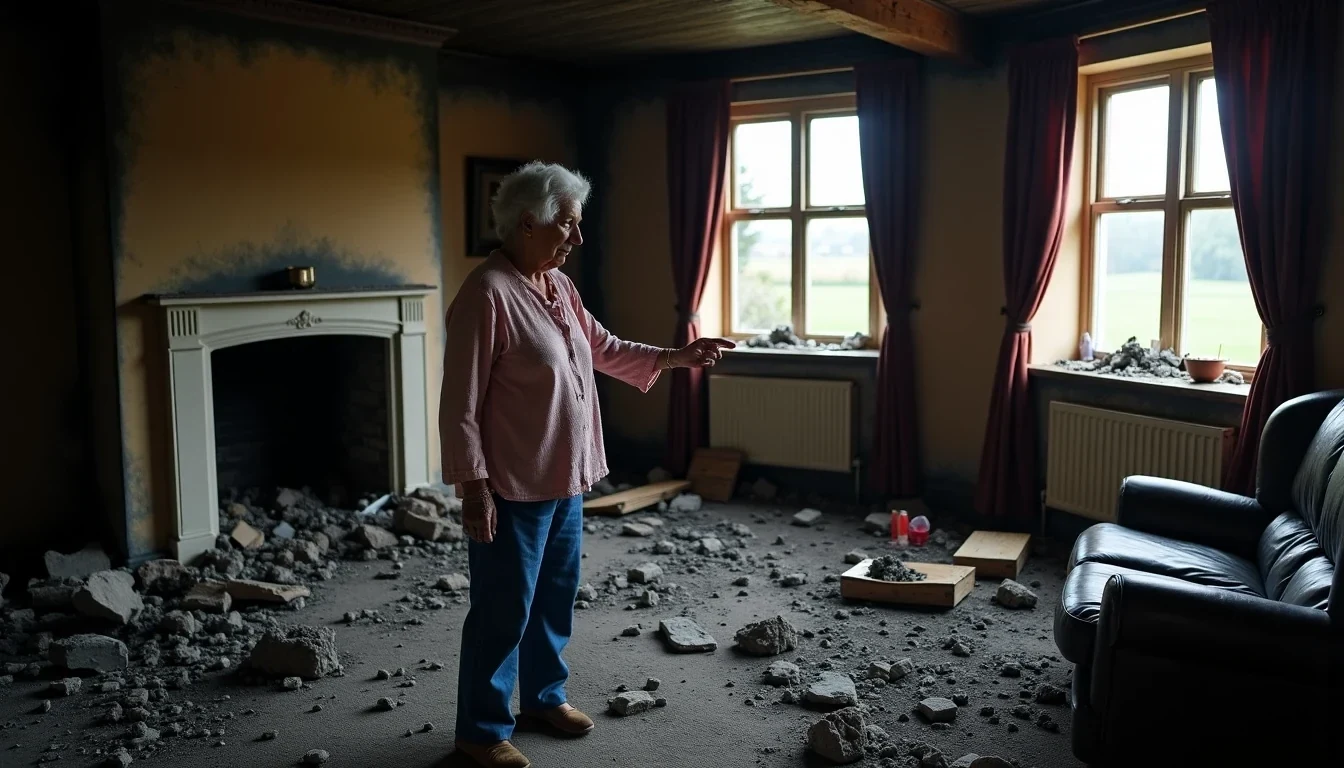
You scroll Rightmove at 11pm, glass of wine in hand, and there it is: the perfect Bath townhouse. Honey-coloured stone, sash windows, a fireplace you can already picture with a lit candle and an Instagram caption. Nobody shows the spreadsheet of surprises waiting behind that period facade in the listing photos. The dream costs more than the mortgage, and the first shock usually arrives down the chimney.
The Romance Hides the Infrastructure
Bath packs one of England’s densest collections of Georgian and Victorian homes into its hills. These range from crescents that look like film sets to terraced streets in Oldfield Park and Twerton where every house shares walls, rooflines, and often chimney stacks with its neighbours. These properties went up before central heating existed. Fireplaces were the heating. That original infrastructure still does jobs it was never designed for, and the gaps show.
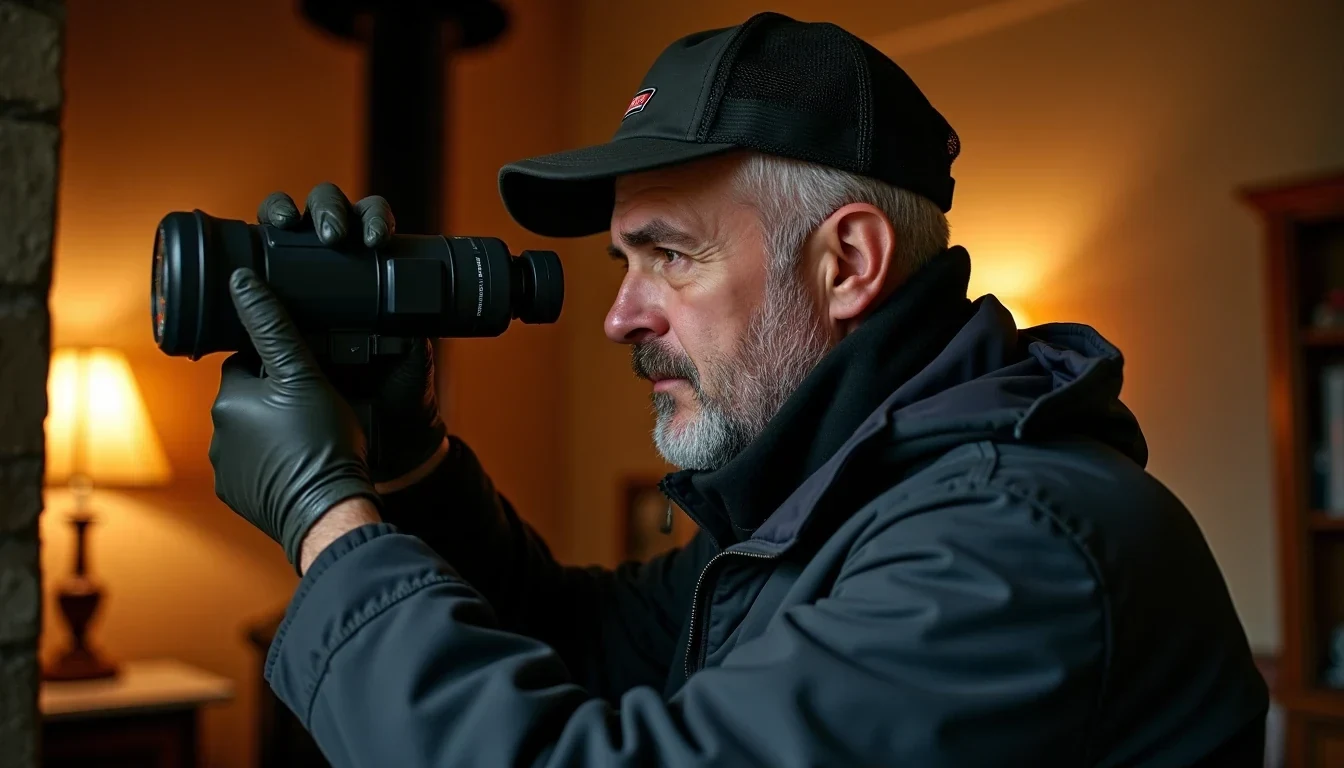
Shared chimney flues in terraced rows and apartment conversions are a particular headache. They are shorter and more enclosed, and blockages turn dangerous faster than in a detached rural cottage with a straight vertical run. A flue that backs up smoke into your bedroom at midnight because the neighbour’s installation created a pressure imbalance is not the cosy aesthetic anyone signed up for. New owners without documented sweep history should book a flue condition assessment before lighting anything. The assessment checks aging linings that can crack and leak combustion gases into living spaces without any visible warning.
Annual sweeping is non-negotiable for active fires or stoves, and insurers increasingly want documentation. Phil Markides, who has worked on Georgian and Victorian chimneys across BA1 and BA2 for over two decades, builds that paper trail into his service. He also flags developing problems before they become emergency callouts, which can save days of cold showers and stress in a city with Bath’s access constraints and parking logistics.
When Regulations Rewrite Your Pinterest Board
The second rude awakening hits when you try to install the wood-burner that completes your vision. Parts of Bath sit inside smoke control areas. This means open fires burning house coal are effectively banned, and solid fuel appliances must be DEFRA-exempt models or restricted to authorised smokeless fuels. The zone boundaries do not follow obvious geography; you can be compliant on one side of a street and illegal on the other.
Verification comes before purchase, not after. Markides checks zone compliance as a standard step before any installation quote, because choosing the wrong appliance is an expensive mistake that cannot be unboxed. HETAS certification is required for all stove installations, and older properties frequently need new chimney liners before a stove can operate safely. That liner is not a nice-to-have. It is a separate project with separate costs, sometimes requiring scaffold access to a stone stack that has not been touched in a century.
The same regulatory layer applies to traditional open fires, stone surrounds, inset fireplaces, or statement hearths. Listed building status or conservation area designation adds another approval track. The work is possible, but the path is specific and the materials prescribed.
The Material Reality of Bath Stone
The honey colour that makes Bath properties photograph so well comes from Bath stone, an oolitic limestone that breathes and moves differently than modern brick or concrete. Repointing and structural repairs demand lime mortar, never cement. Cement traps moisture, accelerates decay, and can turn a small repair into a major restoration within a few freeze-thaw cycles. This is building physics, not heritage purism.
Specialist stone masonry skills are harder to source and cost more than standard building trade rates. Markides’s background covers not just chimney repointing, pot and cowl replacement, and structural stack repairs, but also garden walls, stone paving, hearths, and bespoke masonry features. The same stone that frames your fireplace may need attention on the boundary wall or the front steps. The skillset and material cost do not change.
The Hidden Cost Stack
Tally it up and the picture shifts. The purchase price gets you the keys. Then come the other costs: the flue assessment you should have done before exchange but probably did not, the annual sweep documented for insurance, the liner the stove actually needs, the DEFRA-exempt appliance which carries a premium over standard models, the HETAS-certified installation, the lime mortar repointing that matches the original specification, and scaffold access for a chimney stack on a terraced street with no rear garden and a conservation officer who cares about sightlines.
None of this appears in the estate agent’s brochure. None of it photographs. But it is the difference between a home that functions and a period property that slowly becomes a money pit wrapped in beautiful stone.
For owners across Bath city centre, Widcombe, Combe Down, Oldfield Park, Twerton, Weston, Larkhall, Southdown, and Odd Down, plus surrounding villages, the practical reality is finding someone who knows the local stone, the local chimney quirks, and the local regulatory map. Markides is based in Lower Westwood and covers the full range, from routine chimney and home improvement services in Wiltshire and Bath through to specialist masonry and installation work. Contact Phil on 07708 362 171, Angela on 07535 675 363, or use online booking.
The dream is not dead. It just requires a different budget line and a different patience threshold than the listing implied. The fireplace still photographs beautifully. Just make sure someone qualified has checked what is happening above the mantelpiece before you strike the match.